 Customer Service: (253) 677-0290
 Customer Service: (253) 677-0290
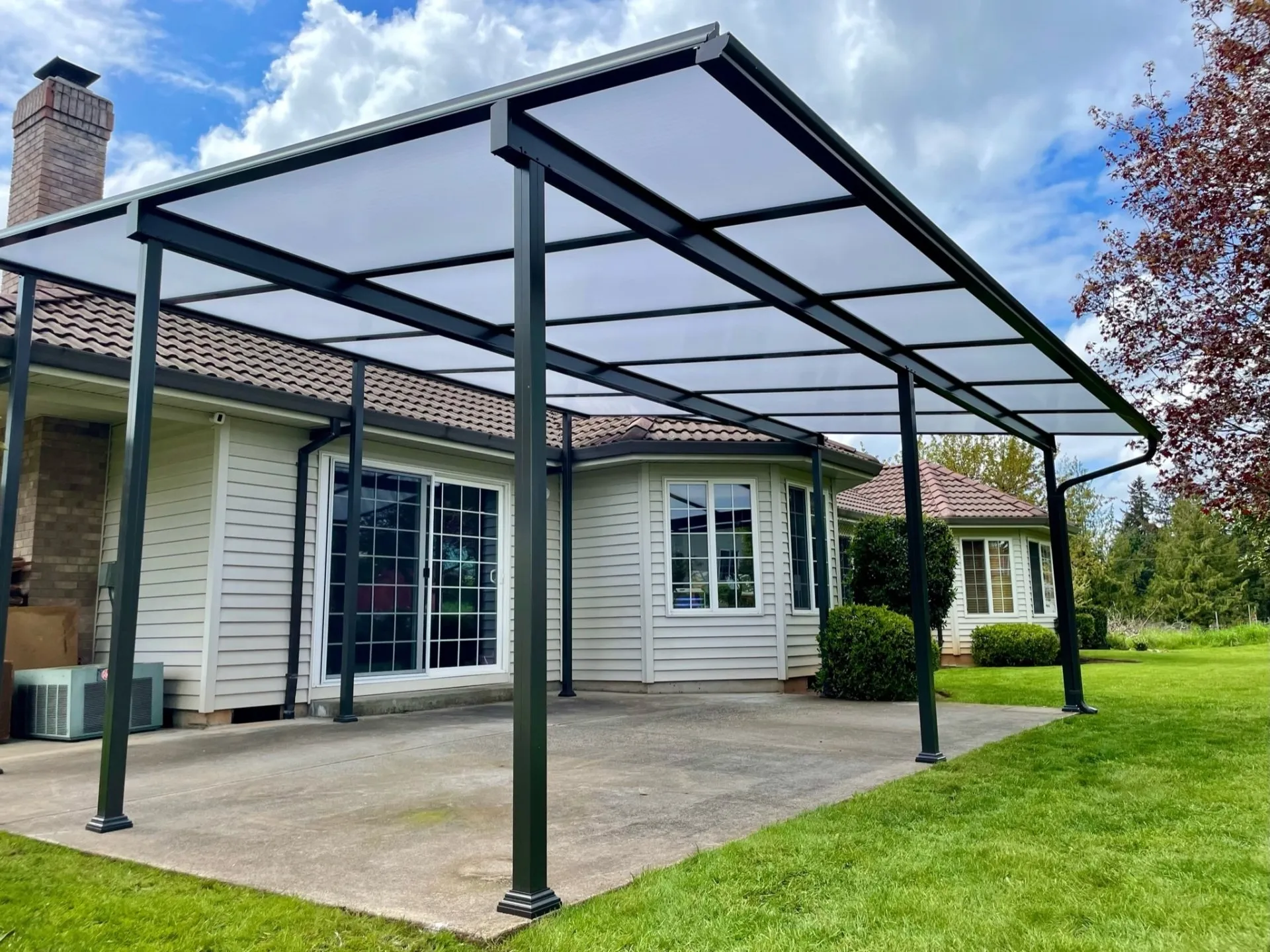
If you’ve lived in Federal Way for more than a single season, you know the “Washington Shuffle”: that frantic dash to move the cushions inside the second a gray cloud drifts over. Installing an acrylic patio cover is the ultimate way to end that dance, letting you soak up every drop of natural light while the rain bounces harmlessly off the roof.
At Decks Restore, we’re big fans of these covers, but we’ve also seen the “oh no” moments that happen when a cover is slapped onto a deck that wasn’t ready for it. In our soggy Pacific Northwest climate, your deck isn’t just a floor—it’s the foundation for a structural system that has to manage heavy runoff and wind loads without breaking a sweat.
Choosing the right deck type is about more than just aesthetics; it’s about making sure your investment doesn’t lead to drainage nightmares or structural sagging five years down the road.
Acrylic covers are popular in Western Washington for a reason: they’re lightweight, they block the UV rays, and they keep things bright. But they also change the “math” of your backyard. They turn a gentle sprinkle into a concentrated stream of water and require precise support to stay level.
Here’s a practical look at which deck types actually play nice with acrylic covers, and what you should keep in mind before you start building.
Acrylic patio covers are popular in Western Washington because they:
However, they also:
That means your deck must be designed to handle both moisture and load distribution effectively.
Best for: Sloped yards and second-story installations
Elevated decks are one of the most common choices in this area, especially for homes with uneven terrain. When paired with an acrylic cover, they provide a clean, covered outdoor living space with good airflow.
Why they work well:
Considerations:
Best for: Low-maintenance homeowners
Composite decking is an excellent match for acrylic patio covers because it resists moisture, mold, and rot—common issues in Federal Way’s climate.
Advantages:
Considerations:
Best for: Flat yards and patio-style layouts
Ground-level decks can work very well with acrylic patio covers, especially for creating a seamless indoor-outdoor transition.
Why they’re effective:
Key requirements:
Best for: New builds or full remodels
If you’re planning from scratch, integrating the deck and acrylic patio cover into one structural system is the most efficient and long-lasting solution.
Benefits:
Considerations:
Best for: Modern designs and maximum durability
Some homeowners are opting for hybrid systems that combine traditional decking surfaces with aluminum framing for the patio cover.
Why it works:
No matter which deck type you choose, these factors are critical when installing an acrylic patio cover:
Acrylic covers must be installed at a slight angle to allow water runoff. Your deck layout should accommodate this without creating awkward transitions.
Rainwater should be directed away from:
Gutter systems and downspouts are often necessary.
The deck must support:
Use:
| Deck Style / Material | Estimated Installed Cost |
|---|---|
| Basic Wood Ground‑Level (Pressure‑Treated) | ~$30 – $55/sq ft |
| Elevated Wood Deck (Pressure‑Treated / Cedar) | ~$40 – $65/sq ft |
| Basic Composite Ground‑Level Deck | ~$40 – $50/sq ft |
| Elevated Composite Deck | ~$50 – $80/sq ft |
| Premium Composite / Multi‑Level Deck | ~$80 – $100+ /sq ft |
| Hybrid (Aluminum Frame + Deck Surface) | ~$60 – $90+/sq ft |
Look, we all know the “Local Shuffle”—that frantic dash to grab the seat cushions the second the sky turns that specific shade of gray. We’ve all been there. Installing an acrylic patio cover is honestly a game-changer for life around here. It’s the closest thing we have to a “rain shield” that doesn’t turn your kitchen into a dark cave.
But here’s the cold, hard truth we’ve seen at Decks Restore: a patio cover is only as good as the deck holding it up. We’ve walked onto far too many job sites where a beautiful new cover was literally dragging a deck down because nobody thought about how the wood would handle the extra weight or where all that Pacific Northwest runoff was actually going to go.
Before you pull the trigger, let’s talk about which decks actually survive our winters and how to make sure your investment doesn’t turn into a sagging, rotting headache five years from now.